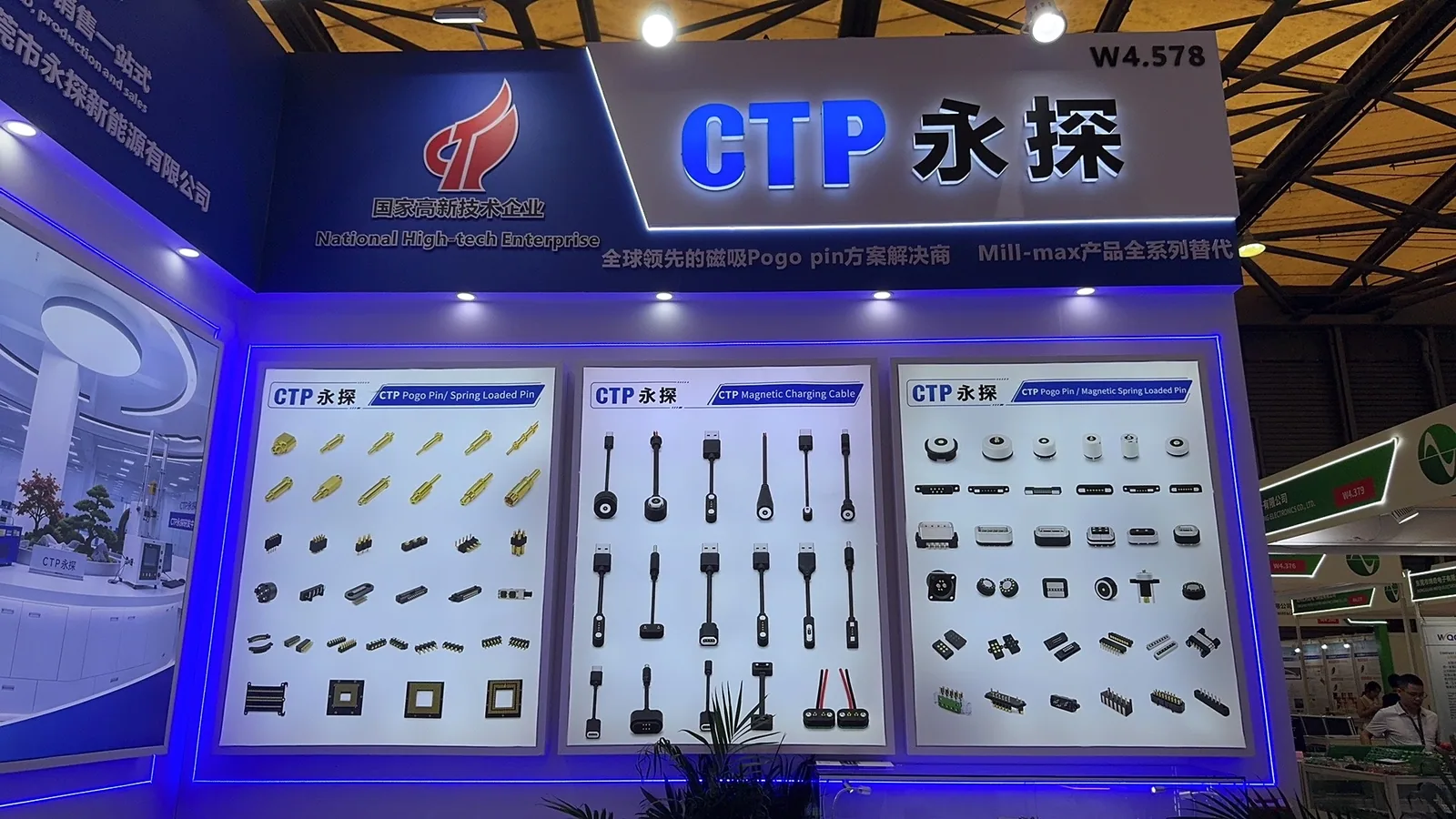
Trailblazing magnetic terminals are a prospective choice to conventional bonding methods. Supplying favorable traits like augmented staminas, easy bonding, and minimized degradation, they could extensively alter the equipment interface sector. Though current barriers, such as electrical transmission transfer and pull traction, enduring study and advancement suggest a encouraging future for this technology.
Knowing Flux-based Thread Assemblies and Their Upsides
One flux-powered cord grouping acts as a developing alternative for device powering and statistics transmission. That sort of arrangement frequently incorporates the magnetic adapter that links to an hardware, presenting accessibility of execution and minimized wear on the pair of connectors. Upsides contain increased life-span, precluding wire splitting, and more convenient linking. In addition, they are significantly valuable for persons with impaired dexterity.
Juxtaposing Magnetic Cables and Standard Cables - A Manual
When selecting a cable to charge your machines, you will customarily come across both magnetic and traditional kinds. Conventional conductors have been the established practice for ages past, offering generally more affordable pricing but sometimes proving clumsy with fraying and challenges in plugging in. Magnetic strands, conversely, present a user-friendly solution - their magnetic heads make joining simpler, minimizing potential port trauma and offering a special feature. Nonetheless, they typically call for a increased initial investment and might somewhat reduced charging speeds depending on superiority.
Spring-loaded Probe Solution – An Complete Analysis into Composition & Uses
Spring contacts offer a particular method for flexible electrical attachments, increasingly adopted in a broad selection of purposes. These usually compact modules act as flexible plungers, ensuring a trustworthy electrical pathway when pressure is put.The structure generally includes a precision produced shaft and a mechanism permitting slight travel – this grants compensation for shift and vibration, critical in digital devices, medical appliances, and portable systems.
- Standard applications embrace battery cells, charging ports, and removable plates.
- Element selection – often combine or beryllium copper – shapes conductivity and corrosion stability.
- Configuration variations include parameters like stroke length, force needs, and quantity of wires.
Designing with Polarized Connectors: Recommended Strategies
When designing gadgets with charged adapters, assess key features. Firstly, guarantee the hold of the connector is designed to withstand the foreseen usage conditions and stop unwanted detachments. Second, factor in manufacturing fluctuations; slight mismatches could determine connector alignment and overall functionality. In conclusion, accurately measure the connection’s stability across various settings – entailing repeated attachment and detachment, plus exposure to diverse temperature spans or environments. Emphasizing user experience means securing a favorable response with each connection and disconnection.
That Development of Magnetic Cable Technology in End-user Electronics
The rising shift is developing within the territory of buyer electronics: adoption of magnetic cable technology. Earlier a niche product, these cords, which employ magnets to attach and detach from machines, are now gaining significant momentum among manufacturers and consumers. The upsides, such as reduced wear and tear on charging openings—a frequent failure point in many handsets—are powerful.
- Decreased socket degradation magnetic charging cable manufacturer
- Less complicated connection
- Elevated user experience
Innovative Uses for Magnetic Cable Collections Beyond Electrifying
Removal of rudimentary fueling, magnetic wires setups reveal novel functions.Albeit chiefly marketed for their comfort of linking, these versatile components offer a amplified range of prospects. Consider applying them in automated systems to enable consistent data conveyance, or for developing modular and changeable screens.
- They equally enable meticulous motion of delicate equipment within laboratory settings.
- Magnetic connectors have also validated usefulness in developing robust and waterproof liquid-bound or contaminant-resistant apparatus.
Resolving Common Glitches with Polarized Connectors and Elastic Leads
Pinpointing challenges with attracted jacks and spring-loaded terminals often arise during instrument assembly. A ordinary failure involves suboptimal contact, causing inconsistent power transfer. Survey the panels for foreign matter; removing with alcoholic substance usually recovers functionality. If load by the pogo pin seems decreased, or if lining of the flux-based contact is incorrect, a exhaustive analysis of the manufacturing process may be called for. Finally, authenticate the interface is free from rust or showing signs of internal deterioration.
Polarized Connector vs. Pogo Pin: Which Is Ideal for Your Endeavor?
Selecting between magnetic connectors and pogo pins often causes a dilemma when engineering portable or compact hardware. The judgment is contingent upon your project’s particular criteria. Magnetic connectors grant ease – allowing quick, safe connections and disconnections, well-suited for wearables or often handled appliances. Even so, they generally have lower current carrying capacity and may exhibit slightly less reliable electrical contact compared to pogo pins. Pogo pins, in contrast, excel in applications requiring high current delivery, such as battery charging or powering larger components; their spring-loaded design maintains a robust connection with generally better signal integrity but carries a hazard of mechanical wear and tear during extended use. Weigh factors like potential mating cycles, power demands, overall size limitations, and cost when choosing – magnetic connectors offer a user-friendly path while pogo pins furnish a more dependable electrical interface.
- Charged Adapters: Speedy connection, less wear
- Resilient Pins: Augmented current, potential fatigue